
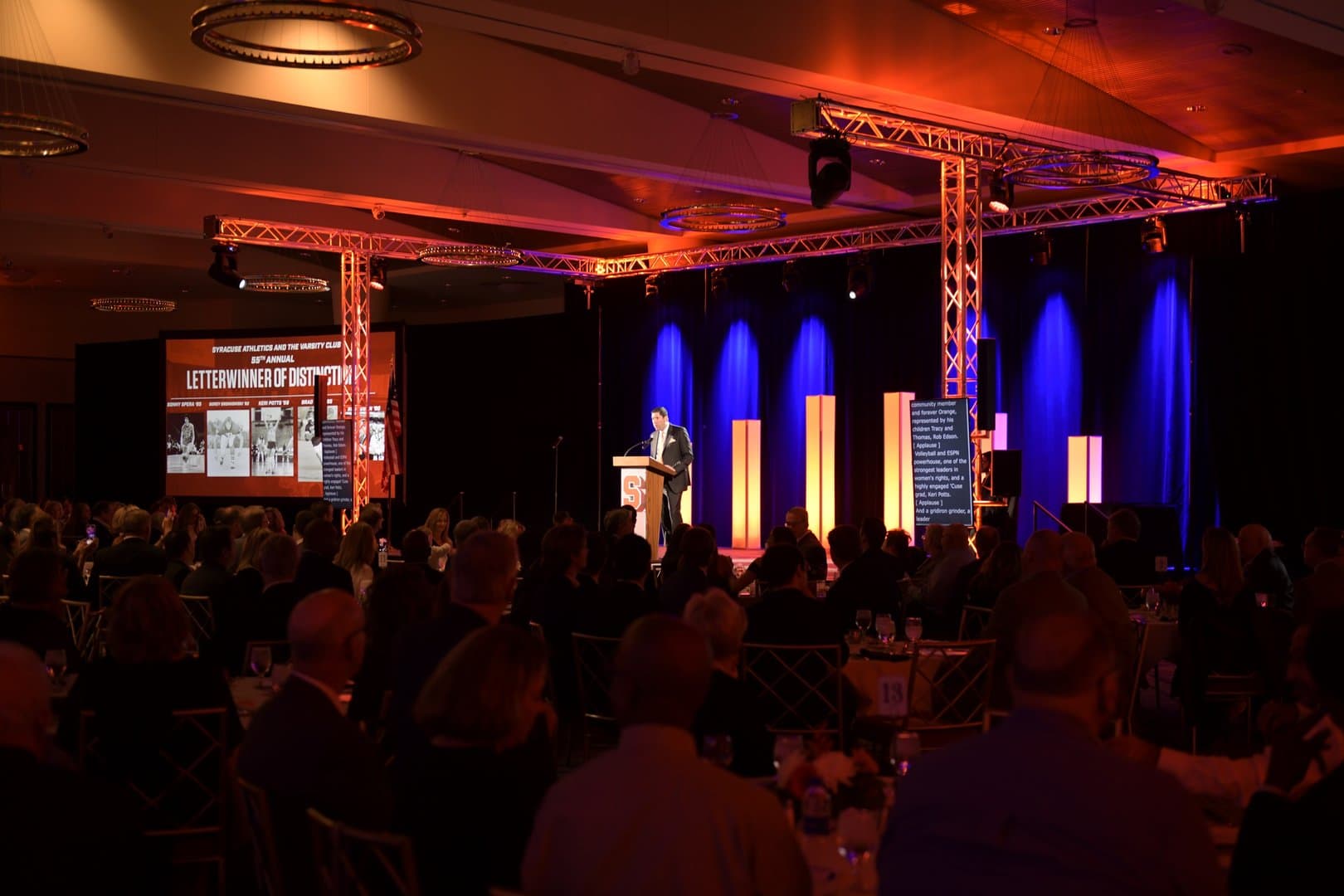
Ceremonies & Commencements
Every name, speech, and milestone should carry.
High-stakes AV for formal programs that need clear audio, confident cueing, audience visibility, remote access, and a useful record.
Plan the production around the program.
Ceremonies carry meaning in details that cannot be repeated: a graduate's name, a processional entrance, a memorial reading, or a family watching from another city. We design the production around speech clarity, cue discipline, audience sightlines, and reliable capture so those moments reach the people they are intended for.
Formal programs also have operational demands. Stage traffic, overflow rooms, outdoor conditions, accessibility feeds, long name-reading sequences, and limited rehearsal time all affect the technical plan. We identify those risks early and build a system and crew structure that can respond without distracting from the ceremony.
- Home
- Ceremonies & Commencements
Risks worth planning for
What can go wrong when the systems are planned separately.
Names and remarks are not consistently clear
Changing speakers, venue acoustics, wind, and long programs can expose weak microphone and coverage choices.
Processional cues are missed
Music, stage movement, and announcements need a shared cue sequence and clear communication positions.
Families cannot see the stage
Large rooms and outdoor sites may need camera coverage, image magnification, and thoughtfully placed displays.
Overflow and remote audiences lose context
Program audio, cameras, graphics, captions, and connectivity must reach secondary audiences as one coherent feed.
The recording is not useful afterward
A single distant camera or room microphone rarely provides the clean archive families and institutions expect.
One coordinated scope
What Sensational can handle.
Speech reinforcement for lecterns, readers, announcers, and musical elements
Distributed speaker coverage for large rooms, outdoor sites, and overflow areas
Processional, recessional, name-reading, playback, and stage-management cues
Projection, TVs, image magnification, confidence displays, and program graphics
Multi-camera livestreaming, remote audience delivery, and clean recording
Caption, CART, accessibility, and assistive-feed coordination
Outdoor power, weather-aware placement, cable paths, and practical redundancy
Rehearsal, speaker checks, on-site operators, and post-event file delivery
Relevant services
The production disciplines behind the event.
Local context and visible work
Use proof to ask better planning questions.
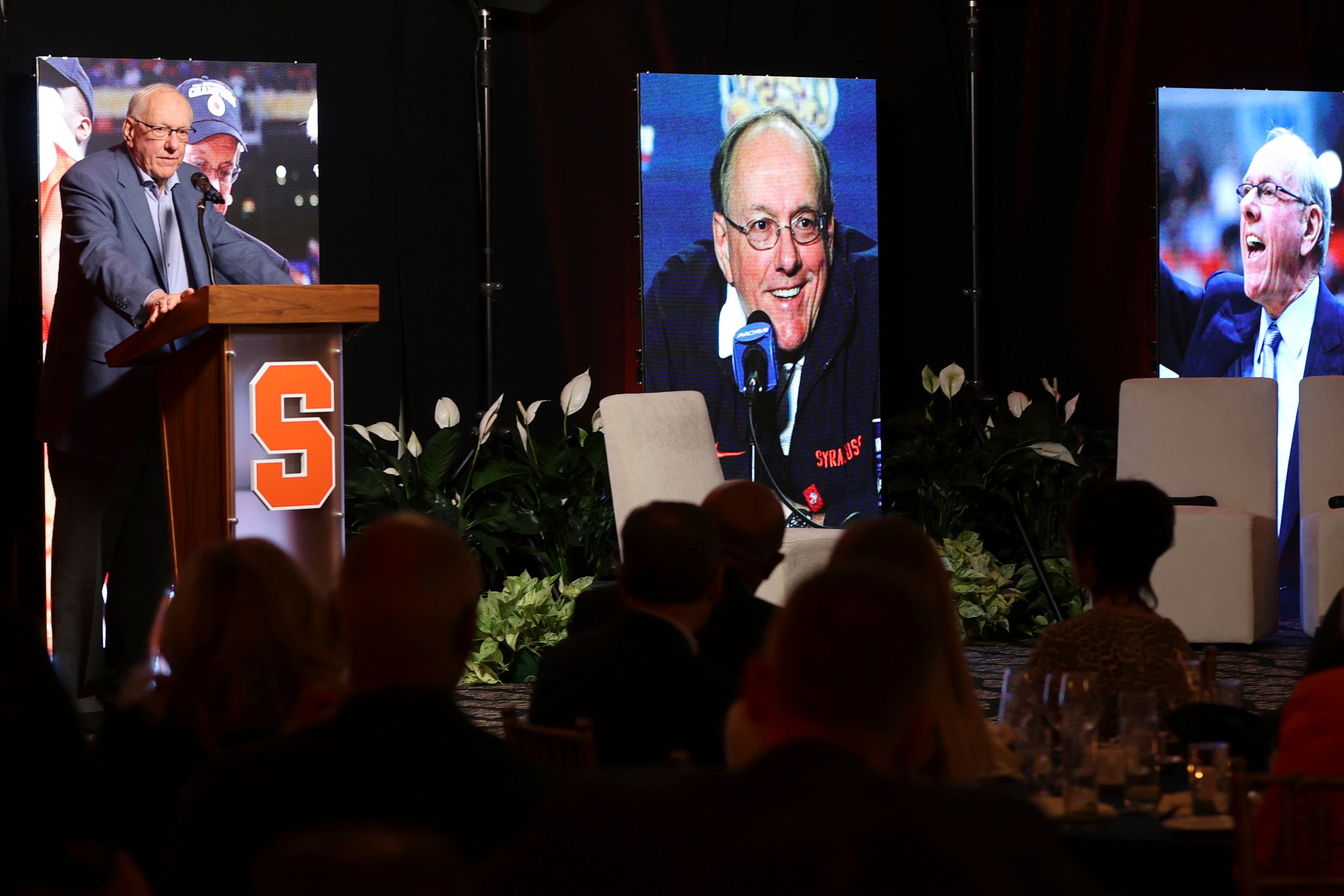
Ceremony AV is built from dependable speech, display, and capture systems. Review the related work and venue context below.
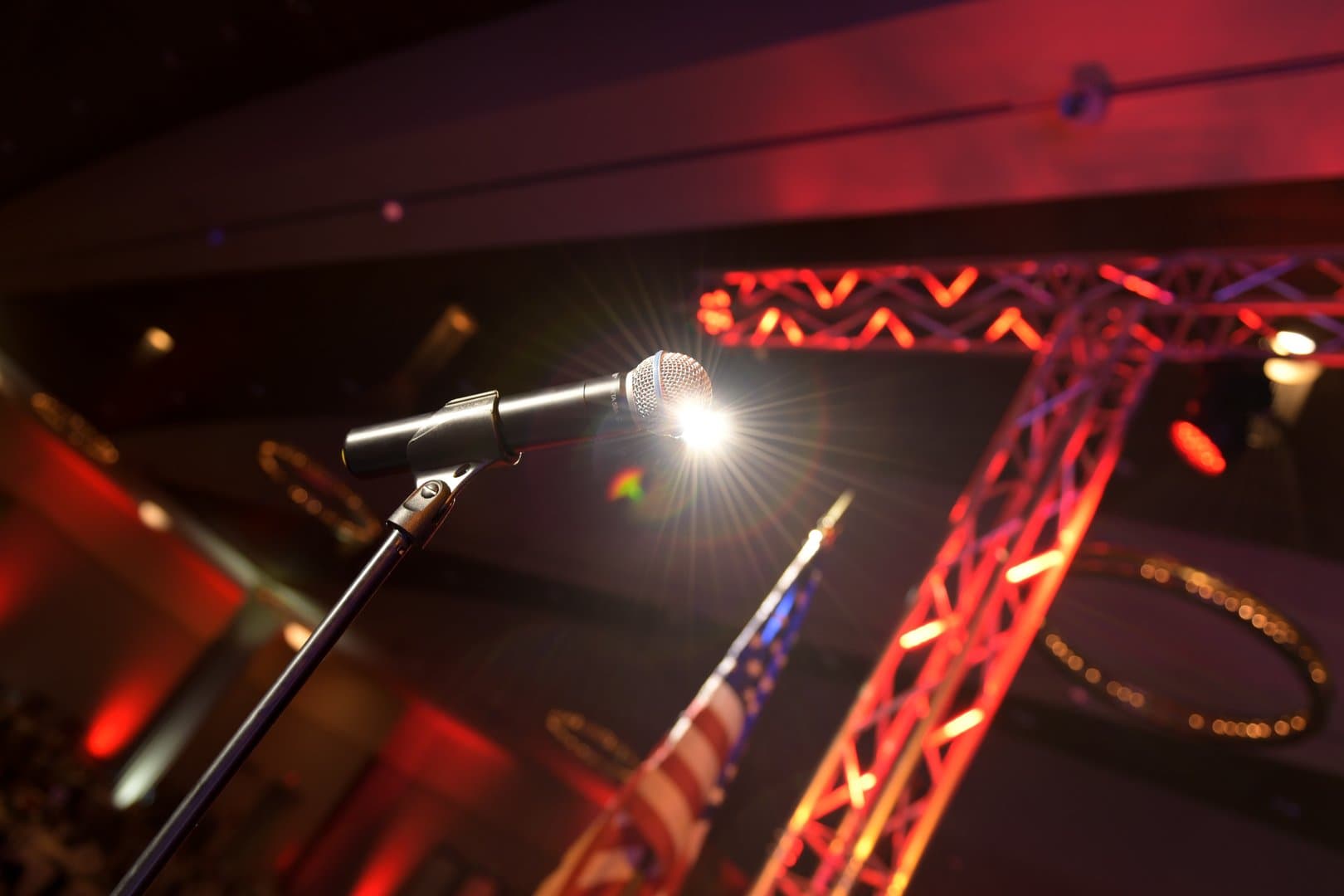
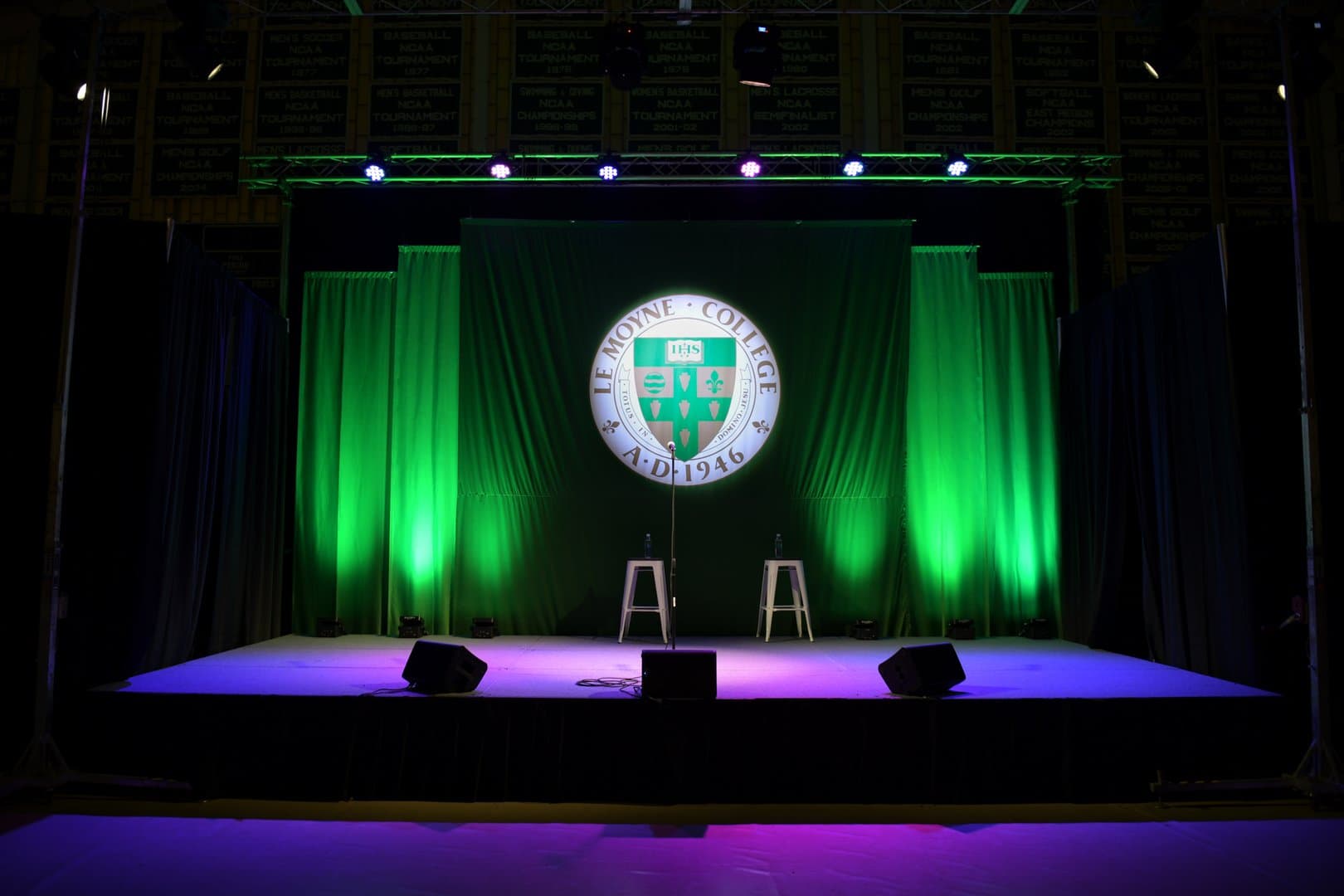
Audio coverage is planned for the audience area rather than centered only on the stage.
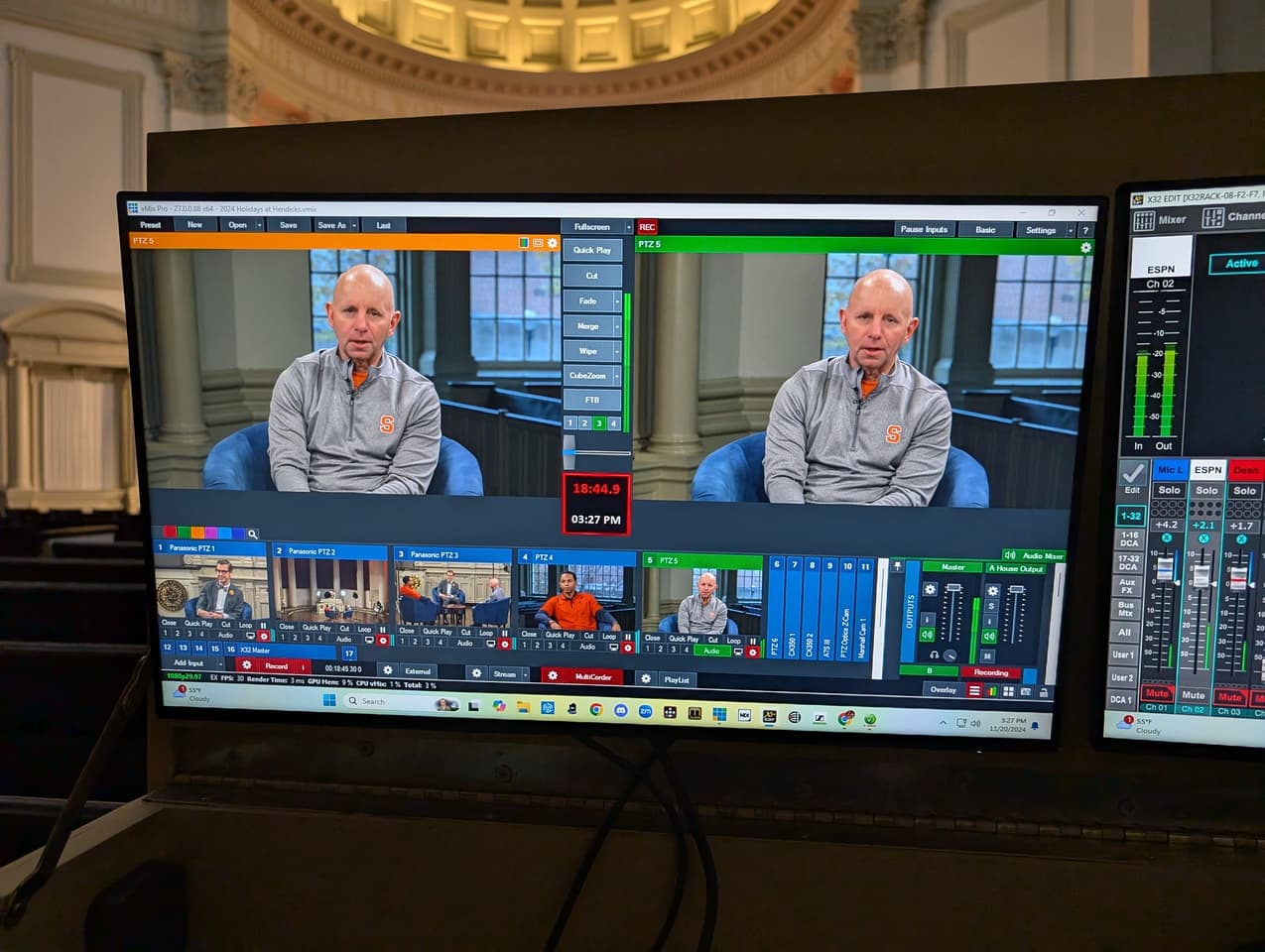
Overflow, livestream, and recording feeds can carry dedicated program audio and graphics.
Critical cues and signal paths can include backups appropriate to the event's risk level.
What to send us
A useful quote starts with planning inputs, not an equipment list.
Share what is known and flag what is still changing. We can identify the details that materially affect the room plan, labor, and cost.
Plan Ceremony AV- 01
Date, site, indoor or outdoor plan, audience size, and overflow locations
- 02
Program order, processional route, name-reading process, and musical cues
- 03
Stage, lectern, speaker, display, camera, and family sightline requirements
- 04
Livestream platform, captions, remote audience, recording, and file needs
- 05
Weather plan, power, access, rehearsal, security, and load-in constraints
FAQ
Questions about ceremonies & commencements.
Useful answers before we build the event-specific scope.
4 questions
Yes. Outdoor systems require additional planning for coverage, power, weather exposure, cable paths, wind at microphones, and backup options, so site details should be shared early.
Yes. We can distribute the ceremony's cameras, program audio, graphics, and captions to a livestream or designated overflow displays based on the venue and network plan.
Yes. Camera positions and the name-reading workflow can be planned to capture stage crossings clearly, with the exact deliverable and editing expectations agreed before the event.
That depends on the site and consequence of failure. Options can include spare microphones, redundant playback, alternate signal paths, backup recording, and secondary connectivity for streams.
Ready for a practical scope?